

DOC Decompression Therapy for Cervical & Lumbar Disc Repair
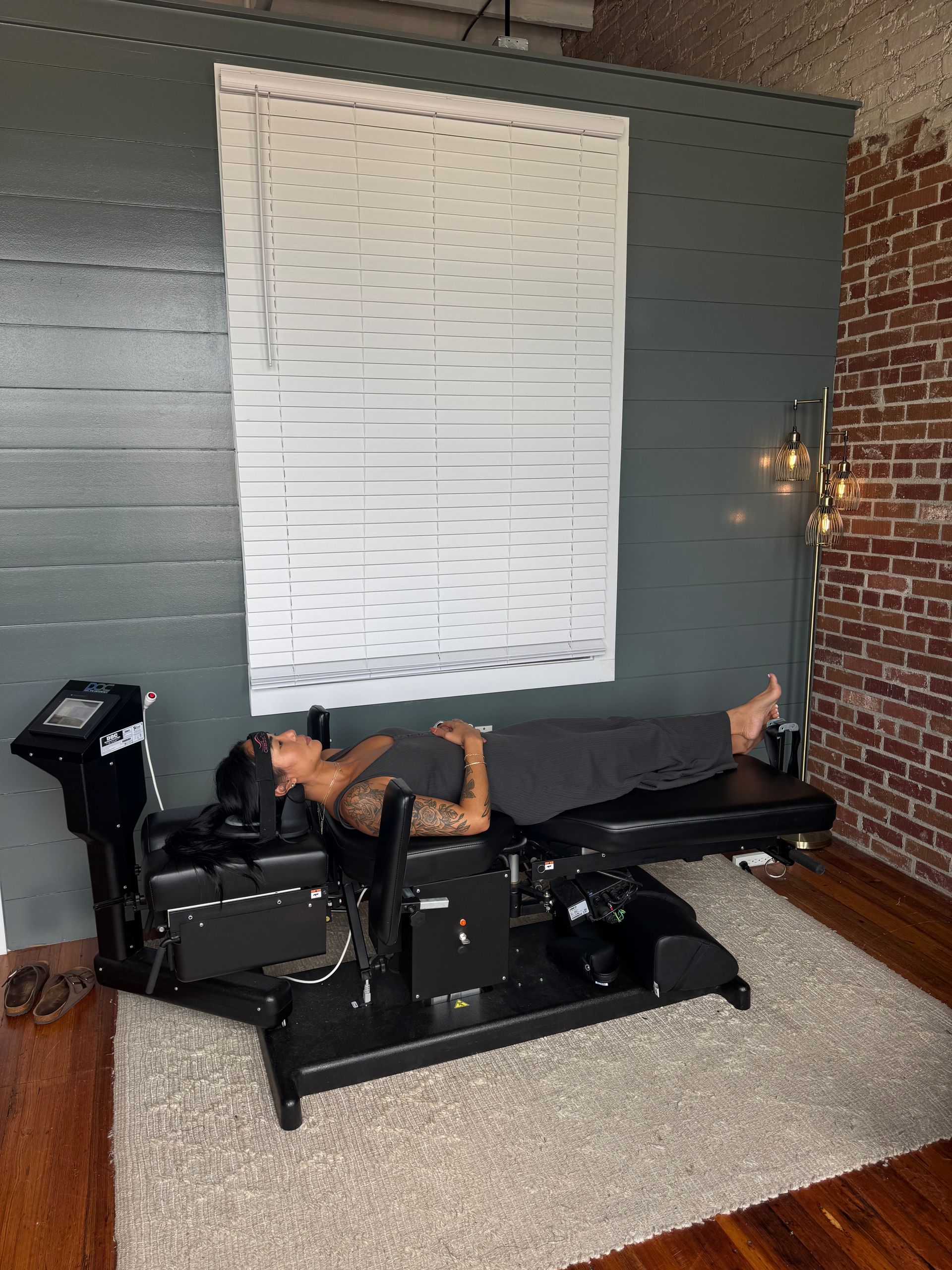
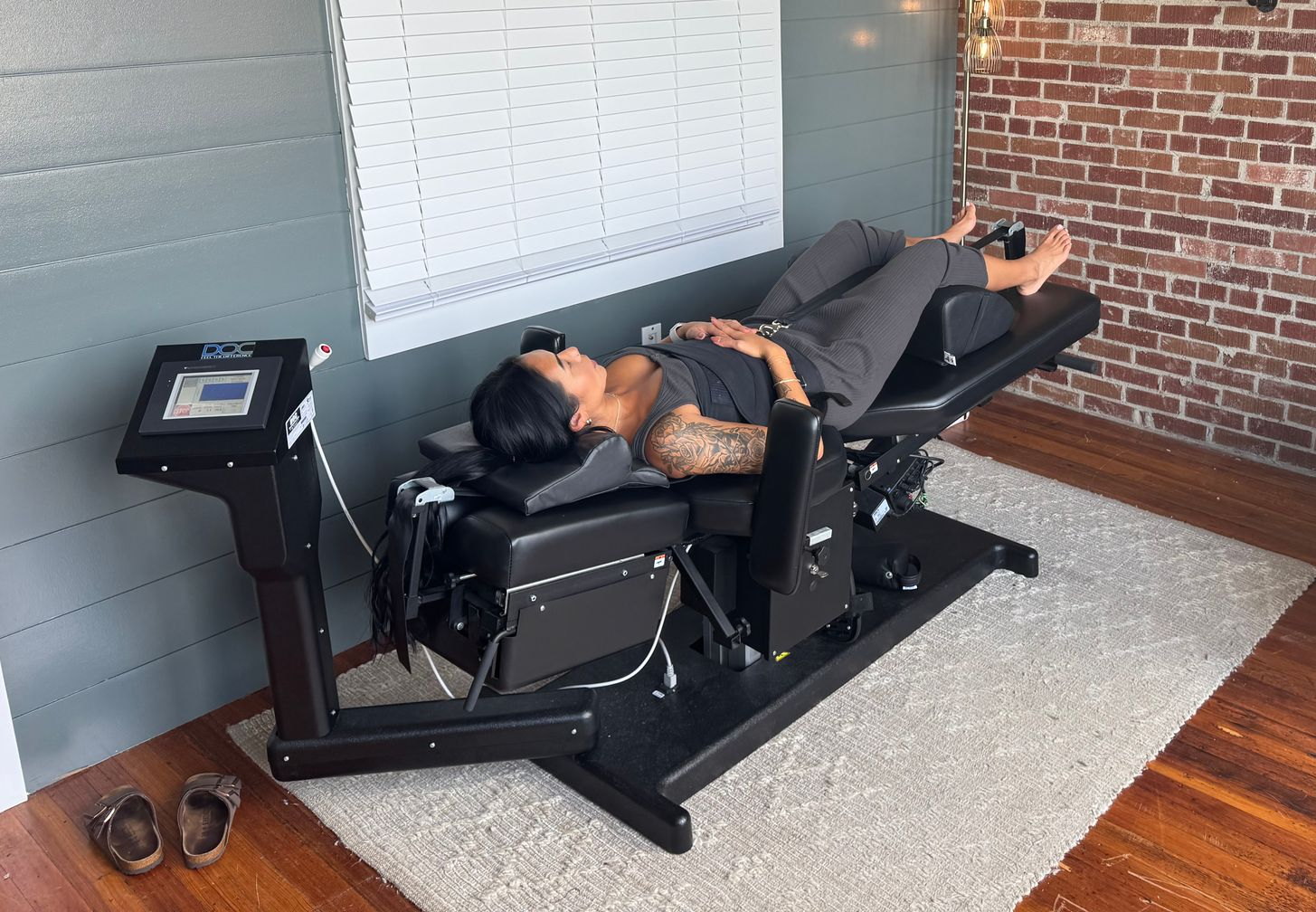
At Doyle Chiropractic, we specialize in helping patients find lasting relief from back and neck pain through the power of non-surgical spinal decompression using our advanced DOC Decompression Table.
This technology allows precise, computer-controlled traction to gently separate spinal segments—creating space for injured discs and nerves to heal naturally without surgery, injections, or medication.
How Spinal Decompression Works
The DOC Decompression System (Decompression of the Spine) uses sophisticated sensors and programmable pull patterns to safely stretch targeted areas of the spine.
Unlike basic traction devices, the DOC table continuously monitors muscle resistance, adjusting tension in real time for maximum comfort and precision.
Here’s what happens during a session:
- Targeted Disc Unloading – The table gently elongates the spine, reducing pressure inside the discs and drawing bulging or herniated material back toward the center.
- Negative Pressure Effect – This vacuum-like force enhances nutrient and oxygen flow into the disc, promoting hydration and tissue repair.
- Nerve Decompression – As disc pressure decreases, irritated nerves have space to recover, reducing pain, tingling, and muscle tension.
- Re-education Phase – The process retrains spinal stabilizers and restores balance so results last beyond the table.
Each session lasts about 15–20 minutes and is completely comfortable—most patients describe it as relaxing, gentle stretching with a sense of relief afterward.
Benefits of DOC Decompression Therapy
- Non-surgical, drug-free, and painless
- Targets cervical (neck) and lumbar (low-back) discs precisely
- Reduces nerve compression and radiating leg or arm pain
- Improves disc hydration and mobility
- Promotes long-term healing rather than masking symptoms
- Complements chiropractic adjustments, laser therapy, and rehab
- Safe for chronic and post-surgical patients (as medically cleared)

Conditions Commonly Treated
Our doctors integrate the DOC table into customized care plans for a wide range of spinal conditions, including:
- Herniated or Bulging Discs
- Degenerative Disc Disease
- Sciatica & Nerve Compression
- Spinal Stenosis
- Chronic Neck or Low Back Pain
- Radiculopathy (numbness, tingling, weakness)
- Facet Joint Syndrome
- Post-Surgical Disc Syndrome
The Doyle Chiropractic Difference
Our clinic combines the most advanced decompression equipment available with decades of experience in spinal biomechanics.
By integrating DOC Decompression with laser therapy, shockwave, and structural rehabilitation, we accelerate disc healing and improve functional outcomes—naturally.
Every patient receives a personalized protocol that accounts for body weight, disc level, traction angle, and pull intensity.
The table’s design allows both lumbar and cervical decompression, enabling complete spinal restoration from neck to low back.
What to Expect During Treatment
- You’ll be comfortably positioned on the table—lumbar treatments are typically done face-up, while cervical sessions use a supportive head cradle.
- The system gently cycles through traction and relaxation phases while constantly monitoring your comfort.
- After treatment, many patients experience reduced pain, improved mobility, and a feeling of “lightness” in the spine.
Most care plans include multiple sessions over several weeks to allow progressive healing and stabilization.
Why Patients Choose Doyle Chiropractic for Decompression
- Cutting-edge DOC Table Technology for precision disc therapy
- Certified doctors with advanced spinal decompression training
- Integration with Erchonia and Summus laser protocols for disc repair
- Comfortable, private treatment environment
- Proven track record of restoring mobility and quality of life
At Doyle Chiropractic, we believe your spine can heal when given the right environment.
Our DOC Decompression Therapy creates that space—relieving pressure, restoring function, and helping you get back to doing what you love.
Knee on Trac Decompression Therapy for Knee Joint & Meniscus Repair
At Doyle Chiropractic, we use cutting-edge Knee on Trac decompression therapy to help patients suffering from knee pain, arthritis, and meniscus injuries avoid surgery and restore natural joint function.
This revolutionary system isolates and gently decompresses the knee joint, reducing pain, improving motion, and promoting tissue repair—without injections, medication, or invasive procedures.
How Knee on Trac Works
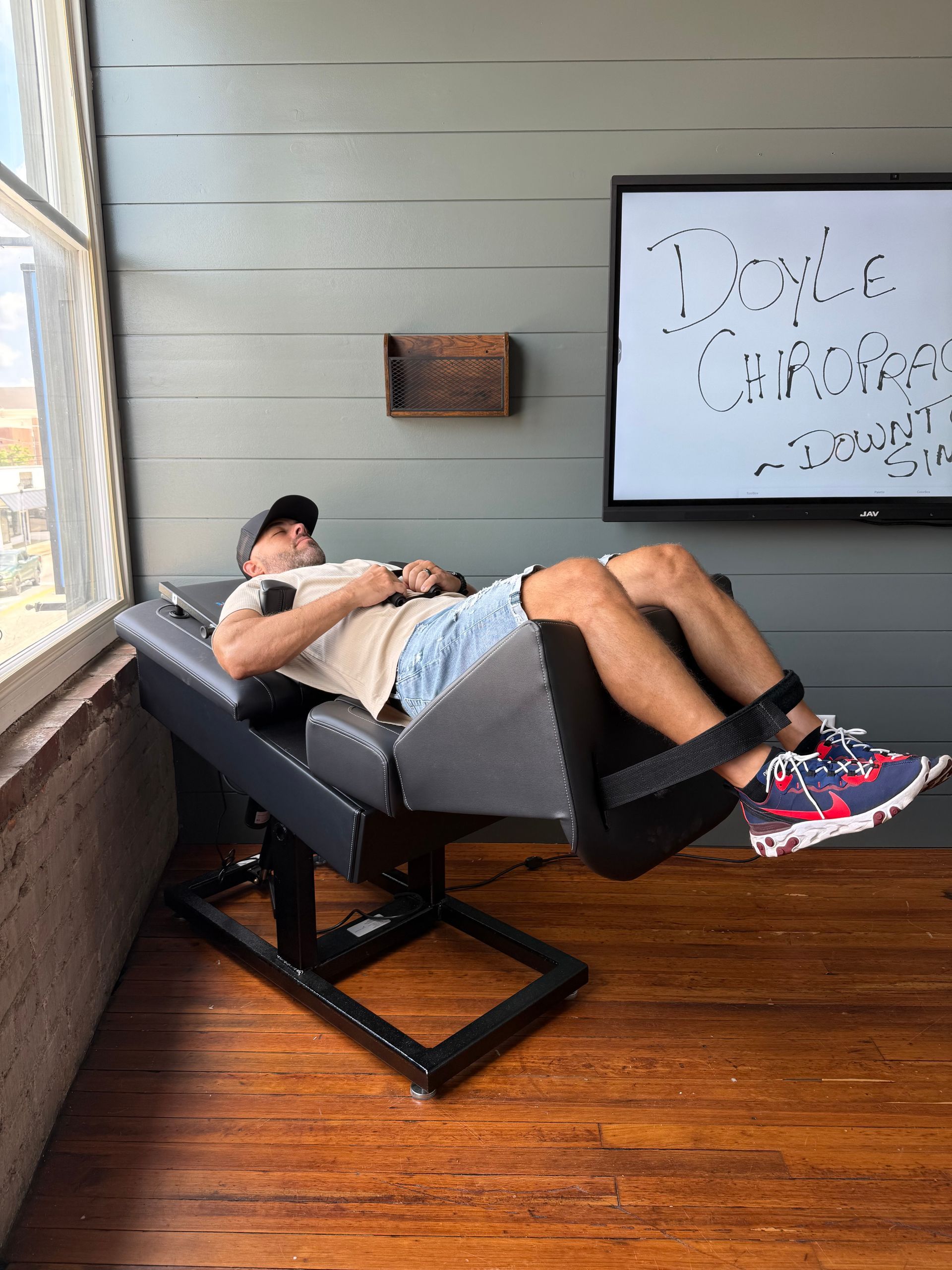
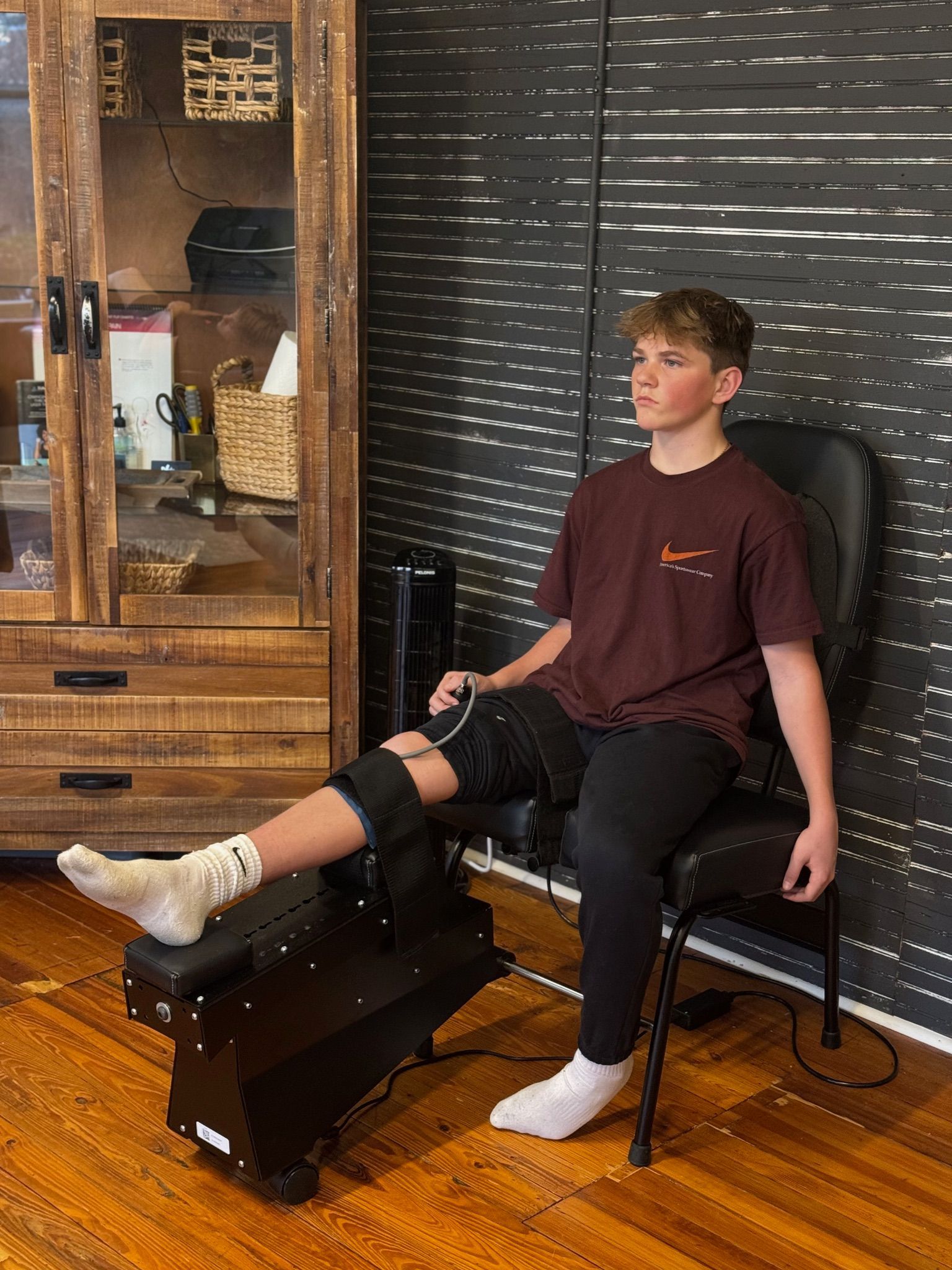
The Knee on Trac system applies controlled, mechanical traction to the knee joint while the patient relaxes in a seated position.
Using precise angles and calibrated pull forces, the device gently separates the tibia and femur to reduce pressure inside the joint capsule and improve circulation to surrounding tissues.
Here’s what happens during treatment:
- Joint Decompression – The device slowly and safely stretches the knee joint, reducing compression on the meniscus and cartilage.
- Nutrient Exchange – This process increases joint fluid movement (synovial flow), enhancing lubrication and nutrient delivery to damaged tissues.
- Meniscus Rehydration – Gentle traction helps reduce internal inflammation, encouraging meniscus repair and improved flexibility.
- Pain Reduction – By reducing mechanical stress and stimulating circulation, patients often experience relief even after the first few sessions.
Benefits of Knee on Trac Therapy
- Non-surgical and completely painless
- Reduces inflammation and pressure within the joint
- Promotes meniscus and cartilage healing
- Improves joint stability and range of motion
- Enhances recovery from sprains, arthritis, or post-surgical stiffness
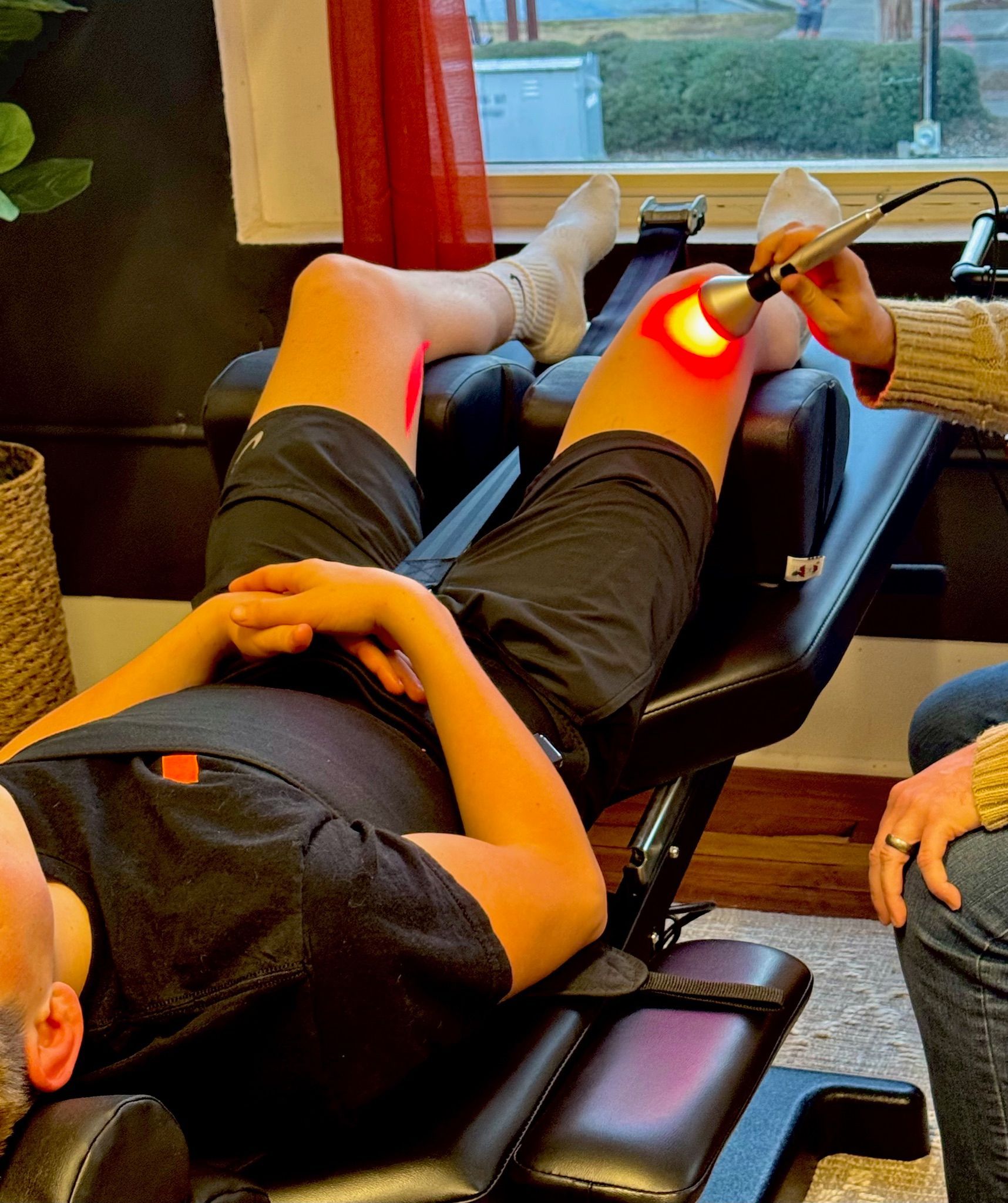
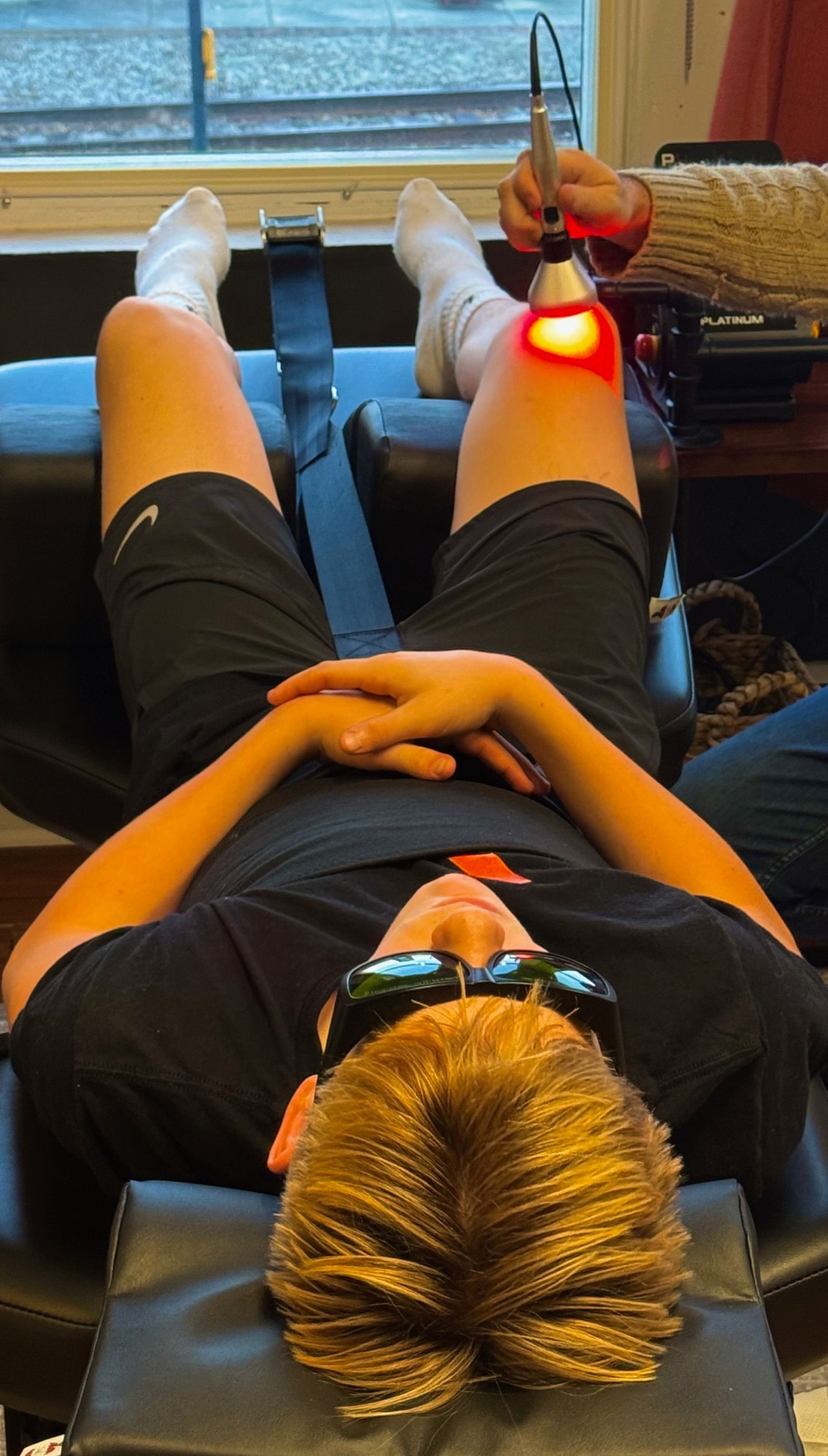
- Complements other therapies like laser, shockwave, PEMF, and rehab
- Safe for all ages and activity levels
Conditions Commonly Treated
The Knee on Trac system is ideal for patients struggling with:
- Knee Arthritis & Degenerative Joint Disease
- Meniscus Tears & Cartilage Injuries
- Chronic Knee Pain & Stiffness
- Post-Surgical Rehabilitation
- Tendonitis or Bursitis
- Ligament Strain & Overuse Injuries
- Sports-Related Knee Conditions
- Swelling, Weakness, or “Grinding” in the Knee
The Doyle Chiropractic Difference
At Doyle Chiropractic, our goal is not just to reduce pain—but to restore natural function and mobility.
Our doctors combine Knee on Trac decompression with Erchonia laser therapy, Summus Class IV laser, and Shockwave Therapy to speed healing and regenerate soft tissue at the cellular level.
This comprehensive, technology-driven approach helps rehydrate cartilage, improve meniscus integrity, and support long-term joint stability.
What to Expect During a Session
- You’ll sit comfortably in a supportive chair while the Knee on Trac device gently attaches to your lower leg.
- Each session typically lasts 5–10 minutes per knee.
- You’ll feel a mild pulling sensation as the joint decompresses — most patients find it relaxing.
- Afterward, your knee often feels lighter, looser, and more stable.
Most treatment programs include multiple sessions per week for several weeks, allowing cumulative healing and improved function.
Why Patients Choose Doyle Chiropractic for Knee Decompression
- Advanced Knee on Trac technology — the gold standard in knee decompression
- Experienced doctors who customize every protocol
- Integration with laser, shockwave, and PEMF therapy for enhanced cellular recovery
- Proven results for both chronic and post-injury knee pain
- Comfortable, relaxing, and results-driven care
At Doyle Chiropractic, we help patients move with confidence again—by treating the cause of knee pain, not just the symptoms.
Knee on Trac decompression offers a safe, effective path toward restoring your joint health and reclaiming your active lifestyle.
Call to Action
Questions? Call (864) 881-4221 or visit /book to schedule online. New patients start at The DC Original.
Q: Who is a candidate for decompression?
A: Candidacy is determined after your evaluation. Certain conditions are not appropriate for traction-based care.
Q: How many sessions will I need?
A: Plans vary. Many patients begin with a short series, then taper as function returns.